Εκδηλώσεις
17:00
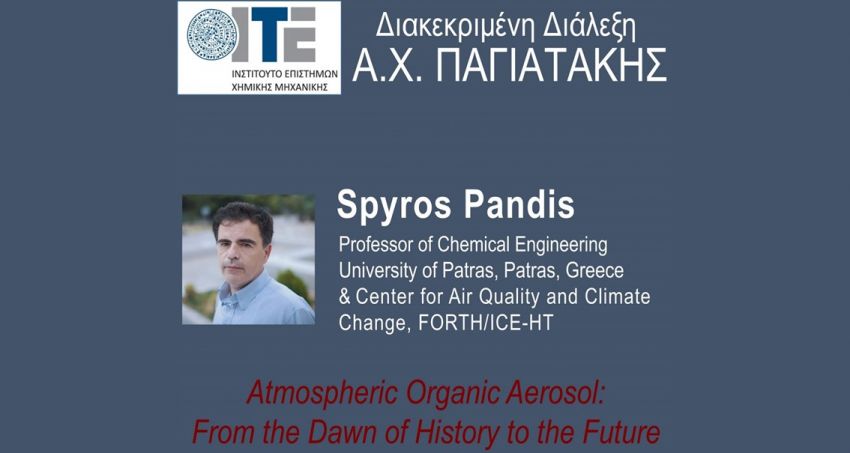
14η Διακεκριμένη Διάλεξη "Αλκιβιάδης Χ. Παγιατάκης"
H 14η Διακεκριμένη Διάλεξη «Αλκιβιάδης Χ. Παγιατάκης» του Ινστιτούτου Επιστημών Χημικής Μηχανικής του Ιδρύματος Τεχνολογίας και Έρευνας (ΙΤΕ/ΙΕΧΜΗ), θα πραγματοποιήθεί την Δευτέρα 15 Δεκεμβρίου, 2025, ώρα 17.00, στο Αμφιθέατρο του συνεδριακού κέντρου του Ινστιτούτου και είναι ανοικτή για το κοινό.
Η Διακεκριμένη Διάλεξη “Αλκιβιάδης Χ. Παγιατάκης” του ΙΤΕ/ΙΕΧΜΗ διοργανώνεται κάθε χρόνο από το 2011 στη μνήμη του Καθηγητή του Τμήματος Χημικών Μηχανικών του Πανεπιστημίου Πατρών, Αλκιβιάδη Χ. Παγιατάκη (1945-2009), και Διευθυντή του ΙΤΕ/ΙΕΧΜΗ (1999-2006) καθώς και Πρόεδρο του ΙΤΕ από το 2006 μέχρι τον πρόωρο θάνατό του στις 29 Νοεμβρίου 2009.
Η Διακεκριμένη Διάλεξη με τίτλο "Atmospheric Organic Aerosol: From the Dawn of History to the Future", θα δοθεί από τον Σπύρο Πανδή, Καθηγητή του Τμήματος Χημικών Μηχανικών του Πανεπιστημίου Πατρών, Συνεργαζόμενο Μέλος ΔΕΠ του Ινστιτούτου Επιστημών Χημικής Μηχανικής και συν-διευθυντή του Κέντρου Ποιότητας Αέρα και Κλιματικής Αλλαγής του ΙΤΕ/ΙΕΧΜΗ.
Σύντομο Βιογραφικό
Ο κ. Πανδής έλαβε το διδακτορικό του από το Τεχνολογικό Ινστιτούτο της Καλιφόρνιας το 1991 και εντάχθηκε στο διδακτικό προσωπικό του Πανεπιστημίου Carnegie Mellon το 1993 και του Πανεπιστημίου Πατρών το 2004. Η έρευνά του περιλαμβάνει θεωρητικές και πειραματικές μελέτες της ατμοσφαιρικής χημείας σε σχέση με την αστική και περιφερειακή ρύπανση και την παγκόσμια κλιματική αλλαγή. Έχει επιβλέψει πολλές διδακτορικές και μεταδιδακτορικές έρευνες, ενώ πολλοί εκ των συνεργατών του είναι πλέον καθηγητές πανεπιστημίου σε διάφορες χώρες. Έχει δημοσιεύσει πάνω από 300 άρθρα με κριτές και είναι ο συγγραφέας, μαζί με τον Καθηγητή John H. Seinfeld, του βιβλίου «Ατμοσφαιρική Χημεία και Φυσική», ένα εγχειρίδιο που χρησιμοποιείται ευρέως σε όλο τον κόσμο. Έχει τιμηθεί με πλήθος σημαντικών βραβείων διεθνώς: Fuchs Award της International Aerosol Research Assembly, Whitby and Sinclair Awards της American Association for Aerosol Research, Cecil Award in Environmental Engineering του American Institute of Chemical Engineering, Bjerkness Medal της European Geophysical Union, CAREER award από το US National Science Foundation, καθώς και με τα βραβεία εξαίρετης διδασκαλίας Kun Li, Benjamin Teare του πανεπιστημίου Carnegie Mellon και «Ευάγγελος Παπανούτσος» του Πανεπιστημίου Πατρών.
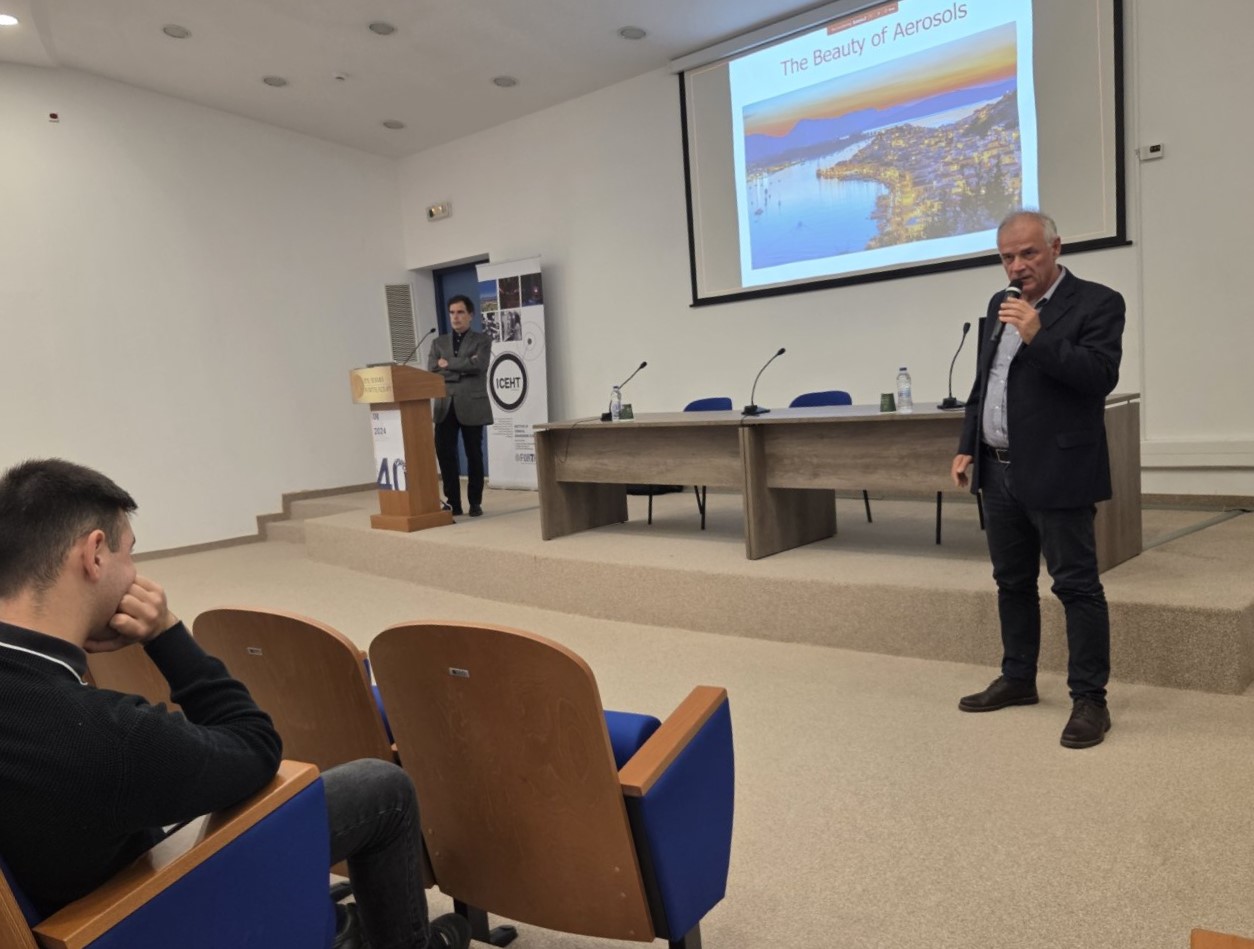
Φωτογραφίες από την εκδήλωση: